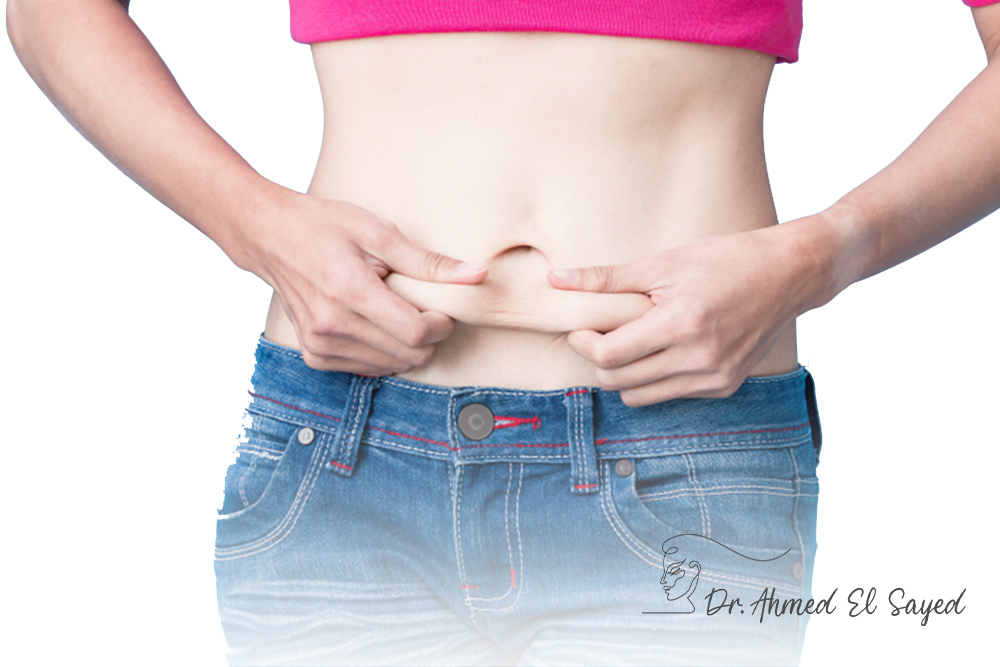
Abdominal Liposuction
Abdominal liposuction is a surgical cosmetic procedure that removes excess fat deposits from the abdominal area. It is intended for individuals who have localized fat that has not responded to a healthy diet or regular exercise and who wish to achieve a flatter, more defined abdomen. The procedure is performed under general anesthesia and typically takes between one and three hours, depending on the amount of fat being removed. During the procedure, small incisions are made in the abdomen, through which a thin cannula is inserted to suction out the unwanted fat.
Following the procedure, patients are usually required to wear a compression garment for several weeks to minimize swelling and support the healing process. They should also avoid strenuous activities and heavy lifting until recovery is complete. Initial results are often noticeable within a few weeks, while the final outcome continues to improve over several months as swelling gradually subsides.
For consultation and booking
It is important to understand that liposuction is not a weight-loss procedure. Instead, it is a body contouring treatment designed to eliminate stubborn fat deposits that cannot be reduced through diet and exercise alone. Maintaining a healthy lifestyle after the procedure is essential for preserving long-term results. We recommend consulting Dr. Ahmed El Sayed, Consultant Plastic Surgeon and PhD in Plastic Surgery, Faculty of Medicine, Kasr Al Ainy, to discuss your goals, potential risks, and available treatment options.
Benefits of Abdominal Liposuction and Body Contouring:
The main benefits of abdominal liposuction include:
- Improved Body Contour: Removes excess fat from the abdomen and waist, creating a slimmer, more sculpted appearance.
- Increased Self-Confidence: Many patients feel more confident and satisfied with their appearance after the procedure.
- Better Clothing Fit: Reducing abdominal fat allows clothes to fit more comfortably and expands wardrobe options.
- Long-Lasting Results: Results can be maintained for many years when combined with a healthy diet and regular exercise.
- Minimally Invasive Procedure: Compared with traditional surgical body contouring procedures, liposuction is less invasive and is associated with a shorter recovery period.
Am I a Good Candidate for Abdominal Liposuction?
Whether you are a suitable candidate for abdominal and waist liposuction depends on several factors, including your overall health, skin elasticity, and the amount and location of excess fat you wish to remove. Ideal candidates generally have the following characteristics:
- Good Overall Health: Because liposuction is a surgical procedure, being in good physical health helps reduce the risk of complications.
- Weight Close to Ideal: Liposuction is not intended for weight loss. It is most suitable for individuals with a Body Mass Index (BMI) below 30 who have localized fat deposits resistant to diet and exercise.
- Good Skin Elasticity: Healthy, elastic skin is better able to adapt to the body's new contours after fat removal.
- Realistic Expectations: Liposuction is designed for body contouring and cannot correct loose or significantly sagging skin.
- Non-Smoker: Smoking restricts blood flow and can interfere with healing. Patients are advised to stop smoking before and after surgery to support optimal recovery.
During your consultation, Dr. Ahmed El Sayed, Consultant Plastic Surgeon and PhD in Plastic Surgery, Faculty of Medicine, Kasr Al Ainy, will carefully evaluate your medical history, overall health, treatment goals, and expectations to determine whether abdominal liposuction is the right option for you and whether you are an ideal candidate for the procedure.
How Is Abdominal Liposuction Performed?
- Abdominal liposuction is a cosmetic procedure that uses a thin, hollow stainless-steel cannula to remove excess fat from the abdominal area. The procedure is typically performed under general anesthesia.
- Dr. Ahmed El Sayed makes small incisions through which the cannula is inserted. The cannula is then used to break up and suction out the excess fat. Once the procedure is complete, the incisions are closed with sutures or surgical tape.
- The surgery usually takes between one and three hours, depending on the amount of fat being removed and the patient's body characteristics.
- Recovery time varies from person to person, but most patients are able to return to work within one week and resume their normal daily activities within a few weeks.
Recovery After Abdominal Liposuction:
Recovery following abdominal liposuction varies from one patient to another. However, most individuals can expect the following:
- Swelling and Bruising: Swelling and bruising are normal and may last for several days or, in some cases, several weeks after surgery.
- Pain and Discomfort: Mild pain and discomfort are expected but can usually be managed effectively with the pain medication prescribed by Dr. Ahmed El Sayed.
- Drainage Tubes: Small drainage tubes may be placed to remove excess fluid from the incision sites. These are typically removed within a few days.
- Compression Garments: Dr. Ahmed El Sayed may recommend wearing a compression garment to reduce swelling and support the healing process.
- Activity Restrictions: Patients should avoid strenuous exercise and heavy lifting for several weeks after the procedure.
- Follow-Up Appointments: Dr. Ahmed El Sayed, Consultant Plastic Surgeon, will schedule follow-up visits to monitor healing and address any concerns throughout the recovery period.
Recovery time depends on the extent of the procedure and the patient's overall health. In all cases, carefully following your surgeon's postoperative instructions is essential for achieving optimal healing and the best possible results.
Risks of Abdominal Liposuction:
VASER abdominal liposuction is considered a safe procedure when performed by a qualified plastic surgeon such as Dr. Ahmed El Sayed. However, like any surgical procedure, it carries certain potential risks and complications, including:
- Infection: As with any surgery, there is a small risk of infection, which can usually be prevented and treated with antibiotics.
- Bleeding: Significant bleeding is uncommon because the procedure requires only tiny incisions, typically less than 1 cm in length.
- Temporary Numbness or Tingling: Some patients may experience temporary numbness or tingling in the treated area during recovery.
- Asymmetry: Uneven contouring, where one side of the abdomen appears different from the other, is unlikely when the procedure is performed by an experienced plastic surgeon such as Dr. Ahmed El Sayed.
- Skin Irregularities: In some cases, the skin may appear uneven or develop slight dimpling after surgery. This is more likely in patients with poor skin elasticity or when fat is removed unevenly. Dr. Ahmed El Sayed minimizes this risk through careful preoperative assessment and by selecting appropriate candidates for the procedure.
My Experience with Abdominal and Waist Liposuction with Dr. Ahmed El Sayed:
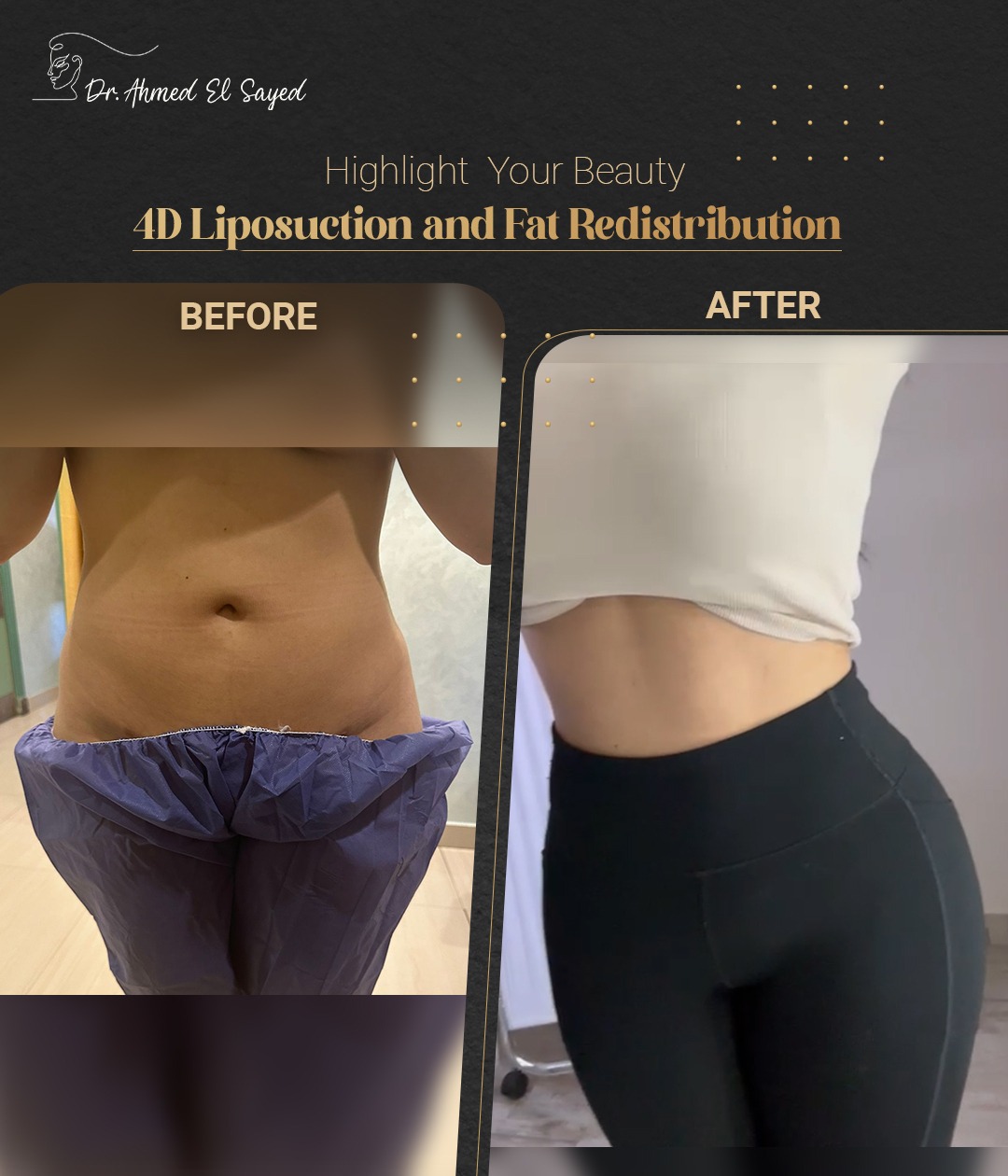
This content has been medically reviewed and approved by Dr. Ahmed El Sayed, Consultant Plastic Surgeon.
Google Rating: 5.0
The best plastic surgeon in Egypt
Abdominal liposuction is a cosmetic surgical procedure that removes excess fat from the abdomen using a cannula and suction device. It is typically recommended for individuals with localized fat deposits that do not respond to diet and exercise, helping them achieve a flatter, more defined abdomen. Liposuction is best suited for patients with good skin elasticity and relatively small amounts of excess fat.
A tummy tuck (abdominoplasty), on the other hand, involves removing excess skin and fat while tightening the abdominal muscles. It is commonly recommended for individuals with loose abdominal skin following significant weight loss or for women after multiple pregnancies who wish to restore a firmer, flatter abdomen.
Both procedures are performed under general anesthesia and leave some scarring. However, tummy tuck scars are generally more noticeable. Recovery also differs, with tummy tuck patients typically requiring a longer healing period and experiencing more postoperative discomfort than those undergoing liposuction alone.
Abdomen: Both the upper and lower abdomen are among the most commonly treated areas.
Thighs: Including both the inner and outer thighs.
Buttocks: To improve overall body contour.
Arms: Particularly for excess fat or mild sagging.
Chin and Neck: To remove excess fat and create a more defined profile.
Back: Including the upper and lower back.
Knees: To enhance the contour of the knees and lower legs.
However, only a qualified plastic surgeon can determine whether liposuction is appropriate for a specific area after evaluating the patient's anatomy, the amount of fat present, and the potential risks.
People with localized fat deposits:
Those who have stubborn fat accumulation in specific areas of the body, such as the abdomen, thighs, arms, or chin, that does not respond to diet and exercise.
Individuals with a stable body weight:
Candidates should be close to their ideal weight and have maintained a stable weight for some time. Liposuction is not a treatment for obesity or a substitute for weight loss.
Healthy individuals:
Candidates should be in good overall health and free from uncontrolled medical conditions, such as severe heart disease or poorly controlled diabetes, that could interfere with healing.
People with good skin elasticity:
Firm, elastic skin is better able to adapt to the body's new contours after fat removal. Patients with significant skin laxity may benefit from additional skin-tightening procedures.
Individuals with realistic expectations:
Candidates should have a clear understanding of what liposuction can realistically achieve.
Non-smokers:
Smoking can impair healing and increase the risk of complications, so patients are advised to stop smoking before and during recovery.
People without conditions that make surgery unsafe:
This includes individuals who do not have bleeding disorders or serious immune system disorders that could increase surgical risk.
After the procedure, mild discomfort, soreness, swelling, and bruising are common. These symptoms are usually well controlled with prescribed pain medication and gradually improve over the following days and weeks.
Most patients can return to light daily activities within one to two weeks, while more strenuous physical activity is typically resumed after four to six weeks, depending on the surgeon's recommendations.
First Week:
Mild pain and discomfort, which can be managed with prescribed medication.
Swelling and bruising are expected and are usually most noticeable during the first few days.
Rest is recommended, and strenuous activities should be avoided.
First Two Weeks:
Most patients can return to light daily activities, including office work and gentle walking.
Compression garments should be worn as directed to reduce swelling and support healing.
After 4 - 6 Weeks:
Exercise and physical activity can gradually resume with the surgeon's approval.
Swelling and bruising continue to improve, making the body contour more apparent.
After 3 - 6 Months:
Final results become fully visible as residual swelling resolves and the skin adapts to the new body contours.
Continued improvements may be seen throughout this period.
Permanent Fat Removal:
When liposuction is performed, fat cells are permanently removed from the treated areas. Therefore, if you maintain your weight after the procedure, the fat will not return to those areas.
Weight Gain Can Affect Other Areas:
If significant weight is gained after surgery, fat may accumulate in untreated areas of the body, such as the arms, thighs, or back.
Overall Weight Still Matters:
Although the treated area will continue to contain fewer fat cells than before surgery, substantial weight gain can still affect your overall body shape.
Maintaining a healthy diet, regular exercise, and a stable weight is essential for preserving your liposuction results over the long term.
قم بتجديد مظهرك من خلال عملية شد الذراعين التي تساعدك على التخلص من الجلد الزائد والمترهل في منطقة الذراعين.
جراحة تصغير الثدي فعالة للغاية في تخفيف آلام الرقبة والظهر والكتفين عن طريق تقليل وإعادة تشكيل الثديين الكبيرين.
يُستخدم السيليكون لتحسين حجم وشكل المؤخرة، حيث تهدف هذه الجراحة إلى منح المؤخرة مظهرًا أكثر امتلاءً، استدارةً، وتحديدًا.