Breast Reduction
It is common for women with large breasts to have difficulty finding comfortable clothing, swimwear, or bras that fit properly. In addition, they may find that exercise and physical activities can be painful because of the weight of their breasts, and they may feel self-conscious about the shape of their bodies.
For consultation and booking
What Is Breast Reduction Surgery?
Breast reduction surgery is a surgical procedure designed to address problems caused by excessively large breasts.Although having large breasts may seem desirable to some women, it can lead to a variety of physical and emotional health concerns, including back, neck, and shoulder pain, breathing discomfort, and limitations in daily activities.
Breast reduction surgery aims to reduce the size and weight of the breasts by removing excess glandular tissue, fat, and skin. This results in breasts that are more proportionate to the rest of the body.
The procedure may also include reshaping and repositioning the nipples and areolas to create a more balanced and aesthetically pleasing appearance.
Benefits of Breast Reduction Surgery
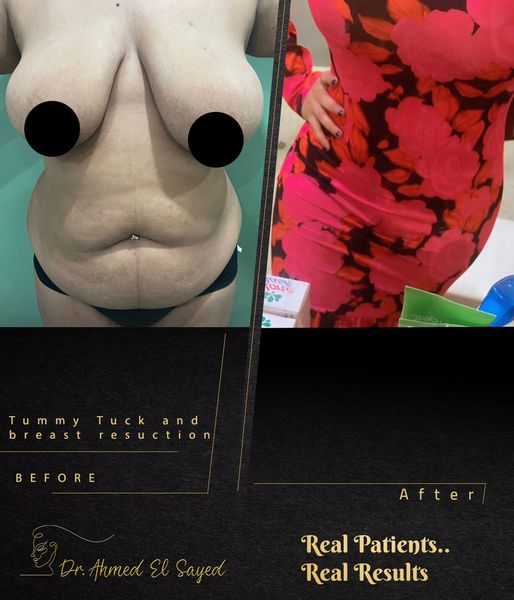
Breast reduction surgery, performed with care by Dr. Ahmed El Sayed, Consultant Plastic Surgeon and holder of a PhD in Plastic Surgery from Kasr Al Ainy Faculty of Medicine, can provide several benefits that may significantly improve both physical and emotional well-being.This procedure is not only valued for its aesthetic effect, but also for its many practical advantages, especially when performed by an experienced surgeon such as Dr. Ahmed El Sayed.
• Relief from chronic pain: Many women experience severe back pain, neck pain, shoulder pain, and headaches because of the excess weight of large breasts. Breast reduction surgery can provide significant relief from this chronic discomfort by reducing the load on the upper back and relieving the pressure that contributes to these symptoms.
• Improved sleep quality: The discomfort associated with large breasts can make it difficult to find a comfortable sleeping position. Some women may even wear a bra in bed for additional support. After breast reduction surgery, many women report a noticeable improvement in their ability to sleep more comfortably and rest in different positions without needing extra support.
• Relief from skin irritation: Breast reduction surgery can reduce the risk of discomfort and skin problems caused by friction and irritation that may occur in women with large breasts.
• Improved ability to be physically active: The heavy nature of large breasts can limit a woman’s ability to exercise, which may affect overall health. This surgery can provide greater freedom to participate in a variety of physical activities without the burden of discomfort, helping support a healthier lifestyle.
• More clothing options: Finding clothing that fits well and looks attractive can be difficult for women with large breasts. After breast reduction surgery, women often find a wider range of clothing options that fit better and improve their confidence.
• Restored self-confidence: The psychological impact of having disproportionately large breasts can significantly affect a woman’s self-esteem. Through breast reduction surgery, women can achieve a more balanced and proportionate body shape, which can play an important role in restoring self-confidence and improving emotional well-being.
• Improvement in muscular discomfort: The excess weight of large breasts can often contribute to muscular discomfort. Noticeable improvement may occur after breast reduction surgery, as the reduced weight can allow for a more natural and comfortable posture and help relieve physical discomfort associated with large breasts.
Who Is a Candidate for Breast Reduction Surgery?
The best way to determine whether you are a good candidate for breast reduction surgery is to consult Dr. Ahmed El Sayed, Consultant Plastic Surgeon and holder of a PhD in Plastic Surgery from Kasr Al Ainy Faculty of Medicine. He can evaluate your health, medical history, and specific concerns to determine whether the procedure is suitable for you.Some factors that may make you a good candidate for breast reduction surgery include having large, heavy breasts that cause neck, back, or shoulder pain, skin irritation or rashes, or difficulty finding suitable clothing.
In addition, if you feel self-conscious or embarrassed about the size of your breasts, you may be a suitable candidate for this procedure.
However, breast reduction surgery is not recommended for women who smoke or who have a history of poor wound healing. In such cases, the surgeon may advise postponing the procedure until smoking has been stopped and healing risks have been reduced.
What Is the Ideal Age for Breast Reduction Surgery?
Dr. Ahmed El Sayed treats a wide range of patients, from those aged 18 years old to women in their thirties, forties, and fifties.Physical Symptoms of Large Breasts
• Pain in several areas: One of the most common symptoms associated with large breasts is persistent pain affecting the back, breasts, neck, and shoulders. This pain usually occurs because of the excess weight carried by the upper body, leading to strain and discomfort in these areas.• Numbness: A common complaint is numbness in the breasts, which may also extend to the arms, hands, and fingers. This can occur when the heaviness of the breasts places pressure on nerves and reduces sensation in these areas.
• Skin problems: Rashes and skin infections may occur underneath the breasts because of heat and moisture that build up in these areas, creating an environment that encourages irritation and inflammation.
• Visible physical marks: Deep grooves or indentations on the shoulders caused by bra straps are a visible sign of the burden that breast weight can place on the body.
• Limitations in physical activity: A significant reduction in the ability to exercise and participate in other physical activities is a noticeable symptom. Large breasts can restrict movement and make physical effort uncomfortable or even painful. This limitation may also contribute to other health concerns due to reduced physical activity.
• Breathing difficulties: In severe cases, excess weight on the chest can contribute to shortness of breath. This symptom may occur when the breasts are excessively large, adding unnecessary pressure on the chest and lungs and affecting respiratory comfort.
How to Prepare for Breast Reduction Surgery
• Stop smoking several weeks before surgery.• Avoid blood-thinning medications, aspirin, and herbal supplements.
• Undergo a medical evaluation.
• Have a mammogram to detect any future changes in breast tissue. If you have a personal or family history of breast cancer, or any other risk factors for breast cancer, your surgeon may recommend a preoperative mammogram.
Steps of Breast Reduction Surgery
1. The Surgical Incision
• Short-scar vertical incisionThe vertical incision is a preferred technique for breast reduction surgery. It involves an incision around the nipple and areola, followed by a vertical incision down to the breast crease.
This technique reduces the amount of scarring around the breast, making it a suitable option for patients who require a mild to moderate breast reduction and have good skin quality.
The short-scar technique allows for faster healing and less scarring compared with some other incision patterns.
• Inverted-T incision, or anchor incision
The inverted-T or anchor incision is used in cases that require a larger breast reduction or when there is significant breast sagging.
This type of incision involves an incision around the nipple and areola, followed by a vertical incision down to the breast crease and a horizontal incision along the breast crease.
Although this technique may result in additional scarring, it may be necessary to achieve the best possible results for women who require significant removal and lifting of breast tissue.
2. Tissue Removal to Reduce Size
After the initial incisions are made, the surgeon removes excess fat, skin, and glandular tissue from the breasts. This step is essential for achieving a significant reduction in breast size in a way that suits your body proportions and the surgical goals discussed beforehand.The amount of tissue removed varies from one patient to another, depending on the original breast size and the desired final result.
3. Reshaping and Repositioning the Areola
Reshaping the areola is an important part of creating a harmonious and attractive breast shape.Any excess tissue around the areola is carefully trimmed before it is repositioned so that the areola fits the new breast size and shape.
4. Closing the Incisions
The surgeon carefully closes the incisions using dissolvable sutures. These sutures are designed to gradually dissolve inside the body over time, eliminating the need for removal during postoperative follow-up. This helps support a smoother healing process and may reduce visible scarring.
Achieve smaller, firmer, and more proportionate breasts, and reduce back pain, neck pain, and the physical discomfort associated with large breasts with Dr. Ahmed El Sayed, Consultant Plastic Surgeon and holder of a PhD in Plastic Surgery from Kasr Al Ainy Faculty of Medicine.
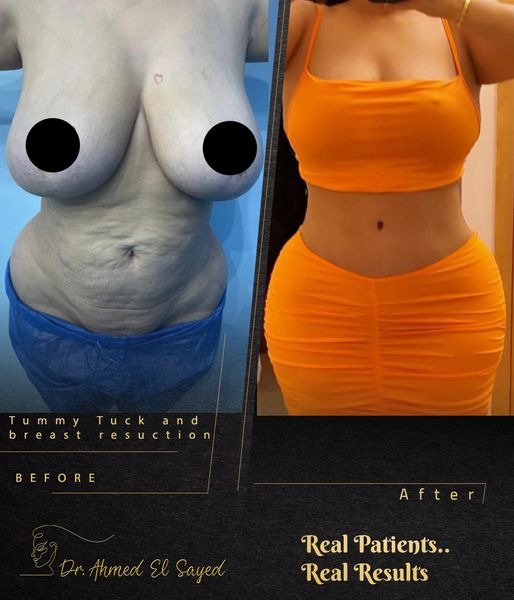
This medical content has been reviewed and approved by Dr. Ahmed El Sayed, Consultant Plastic Surgeon.
The best plastic surgeon in Egypt
إن الحصول على فخذين أكثر رشاقة ومظهر أصغر سنًا يعزز الثقة بالنفس ويمنح الشخص شعورًا بالراحة في مظهره.
يُستخدم السيليكون لتحسين حجم وشكل المؤخرة، حيث تهدف هذه الجراحة إلى منح المؤخرة مظهرًا أكثر امتلاءً، استدارةً، وتحديدًا.